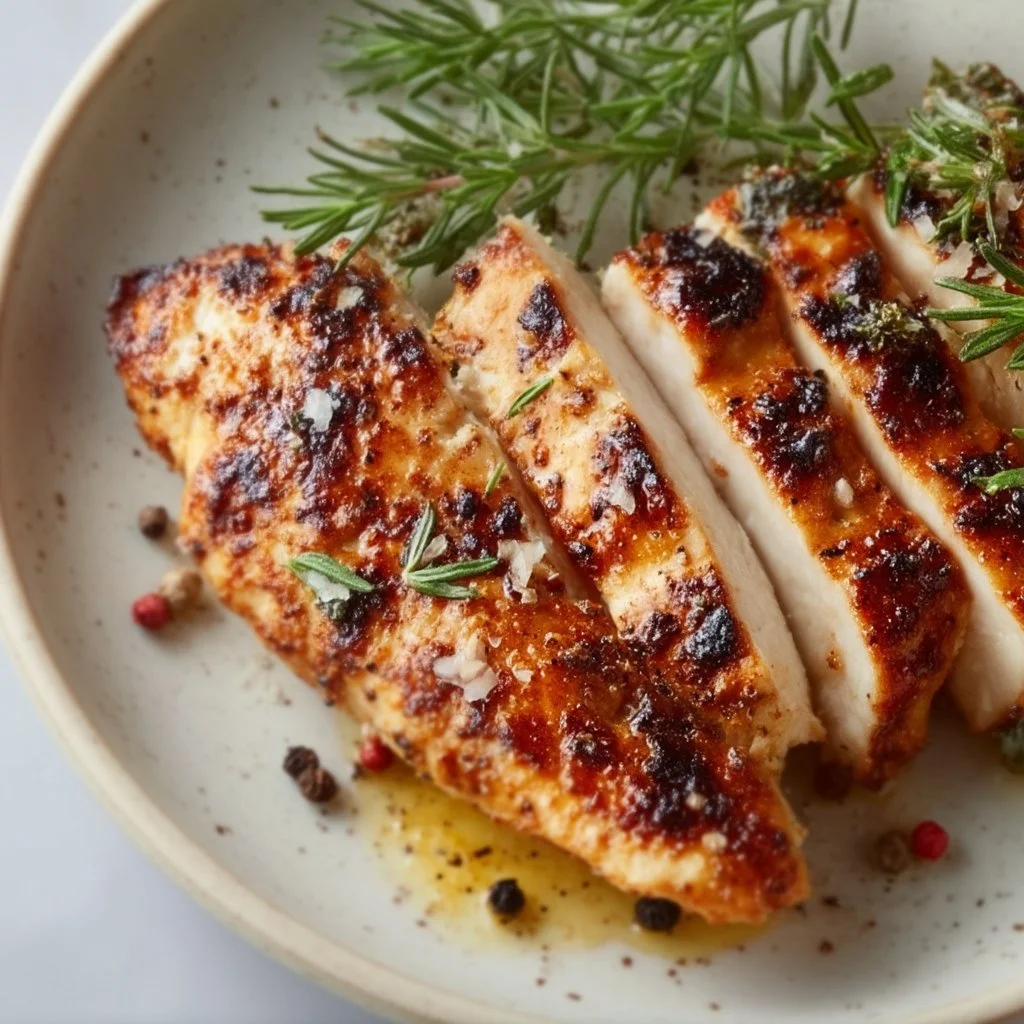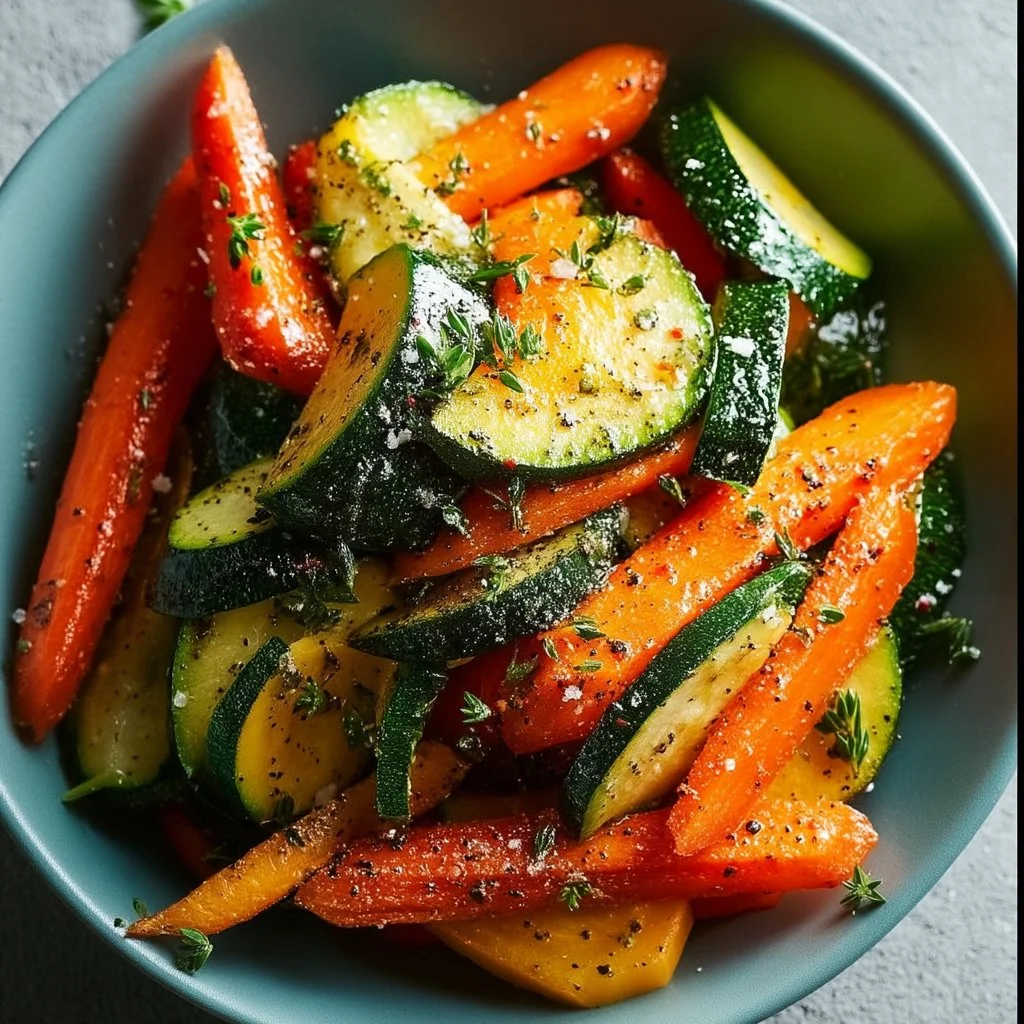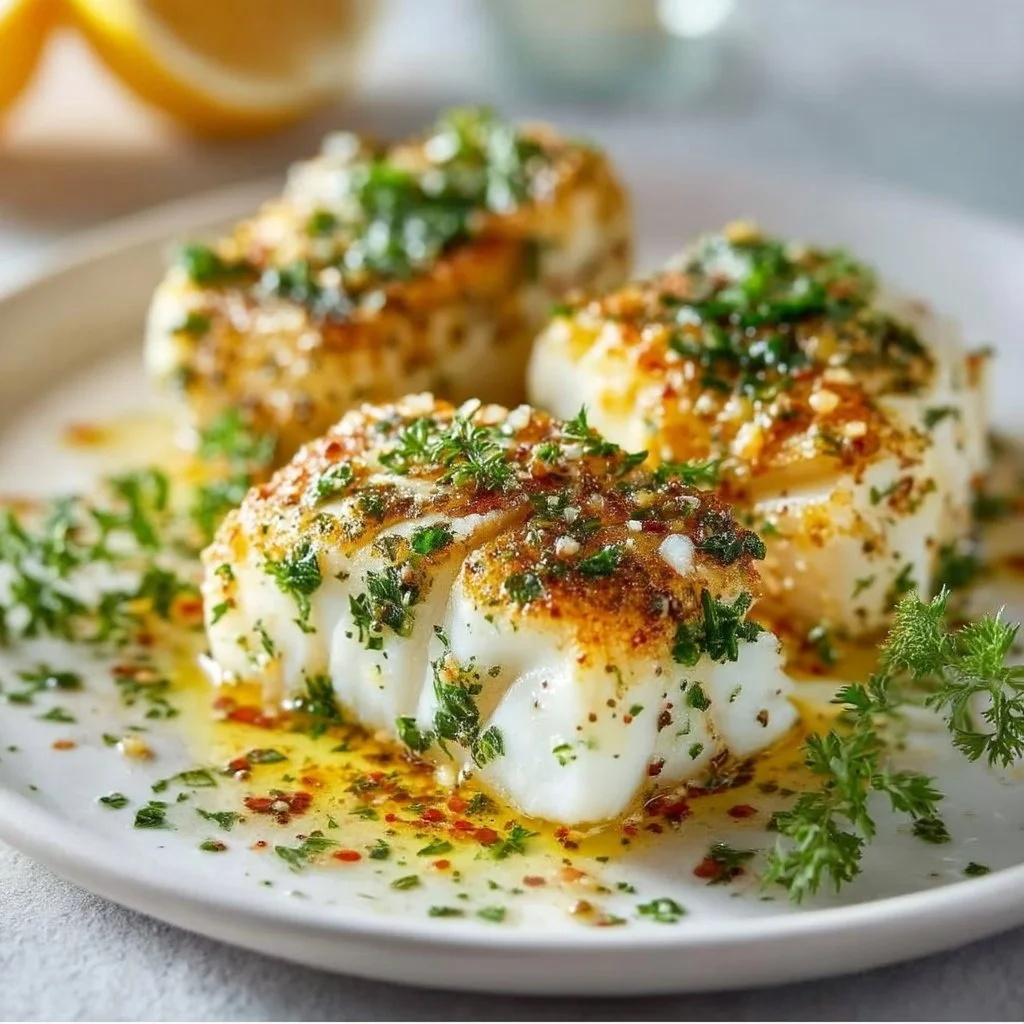
Some nights, the air fryer isn’t “a recipe” for me—it’s a shortcut to getting anything crisp and worth eating without turning on the oven. These are the exact little moves I lean on when I’m cooking whatever’s on hand: a protein, a pile of vegetables, something frozen, or leftovers that need a second life.
The payoff is simple but specific: better browning, less sogginess, and that clean, dry crispness you only get when you avoid steam and give the food room in the basket. If you’ve ever wondered why your air-fried food came out pale or soft, these hacks fix the usual culprits fast. For more quick wins like this, I keep a running list of weeknight saves in easy air fryer recipes for low-effort cooking.
Why This Air Fryer Recipe Works
- Preheating the basket makes a real difference: starting hot helps food begin browning right away instead of slowly warming up and steaming.
- Dry surfaces = crisp surfaces: patting proteins and vegetables dry prevents that damp, soft finish that can happen even with high heat.
- Just enough oil improves color: a light mist (or quick brush) gives you better golden edges without turning the basket greasy.
- Strategic seasoning sticks better: salting plain foods before cooking seasons deeper, while finishing coated foods after cooking keeps the crust crisp.
- Single-layer spacing fixes uneven cooking: when pieces overlap, the covered spots stay pale and soft—room in the basket solves that instantly.
- Mid-cook flipping/shaking evens out browning: you’ll get a more consistent crisp all around instead of “one-side-only” color.
The Story Behind This Recipe
I started treating these as “rules” after one too many batches of beautiful-looking food that turned limp the second it hit the plate—turns out I was crowding the basket and skipping the quick dry-off step. Now, whether I’m making a simple veg side (my favorites are in air fryer vegetable side dishes) or reheating leftovers, I run through these same few habits.
What It Tastes Like
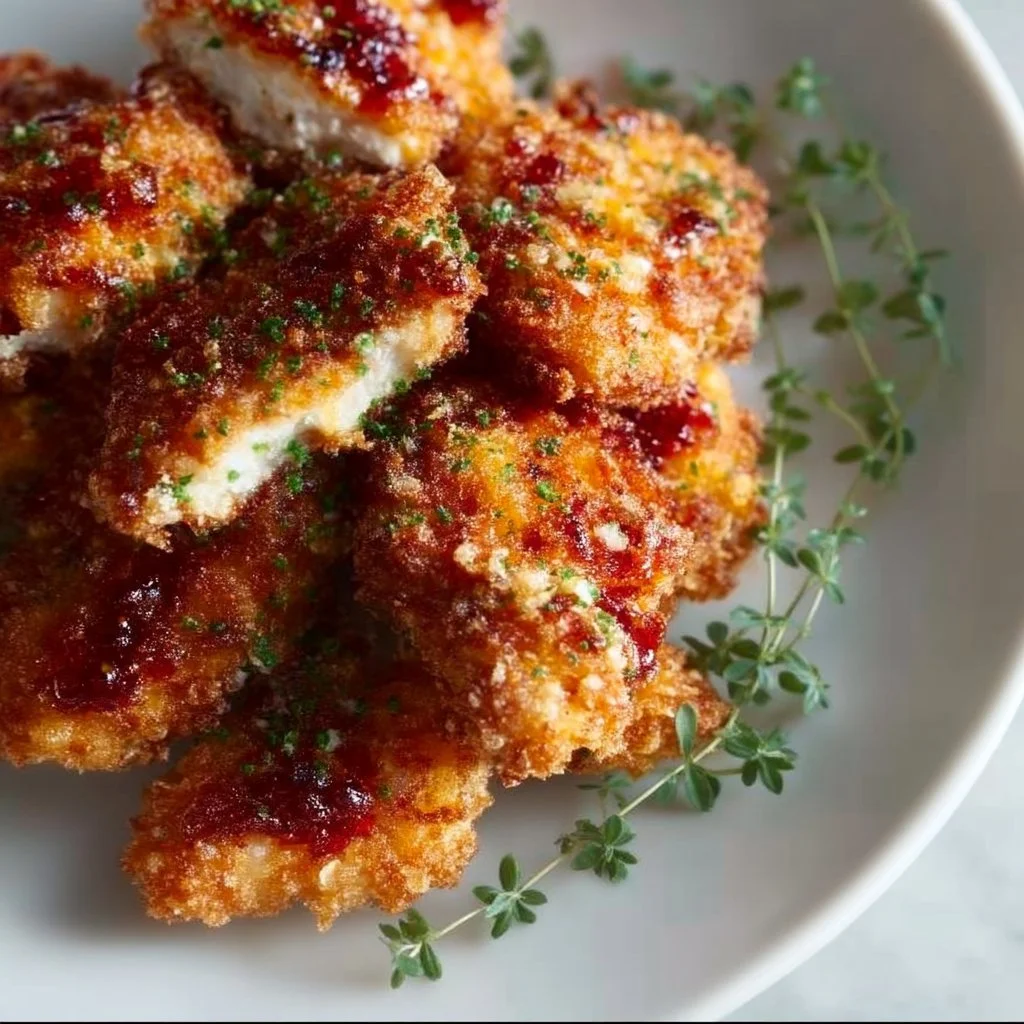
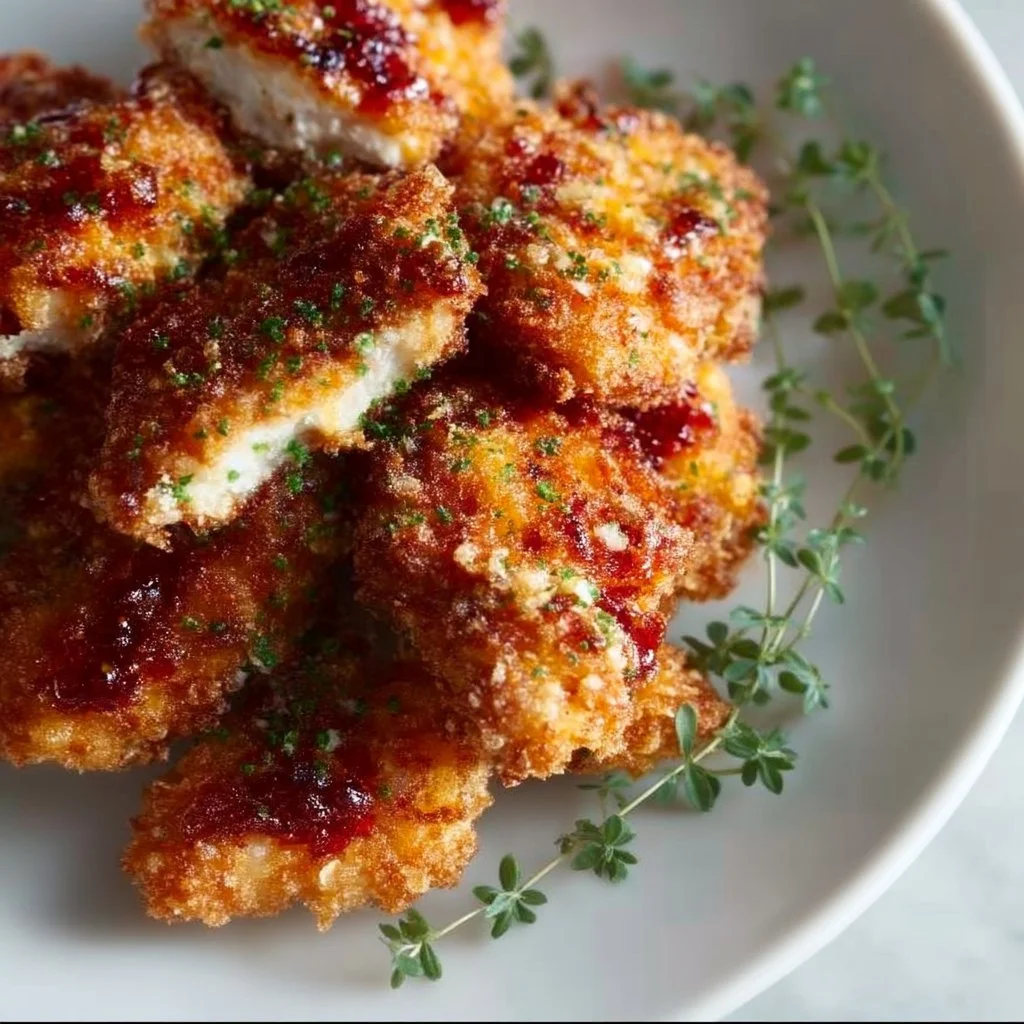
When you use these hacks, the difference is mostly in texture: vegetables come out with browned edges instead of a wet sheen, proteins get a deeper golden exterior while staying juicy inside, and frozen items re-crisp instead of going soft. You’ll smell that toasty, “actually cooked” aroma sooner—less warm-steam smell, more browned, savory notes—because the basket is hot, the surface is dry, and the food has space to crisp.
Ingredients You’ll Need
This is less about a strict ingredient list and more about having the right basics to encourage browning and avoid sogginess. Neutral oil helps color and crispness without adding extra flavor, salt and pepper do most of the heavy lifting, and optional cornstarch is the easiest way to add a drier, crisper coating to vegetables or tofu. If you’re cooking chicken with skin, a tiny pinch of baking powder can help that skin bubble and crisp (don’t overdo it).
- Neutral oil spray (or a small amount of neutral oil to brush on)
- Kosher salt
- Black pepper
- Optional: cornstarch (for extra-crisp coatings on vegetables or tofu)
- Optional: baking powder (a pinch for crispier chicken skin)
- Optional: Parchment air fryer liners or aluminum foil
- The food you’re cooking (protein, vegetables, frozen items, leftovers)
How to Make Air Fryer Cooking Hacks
-
Preheat the air fryer (don’t skip this).
Run it empty until it’s hot. This is what helps food start crisping on contact instead of slowly warming up and turning steamy. -
Dry the food really well.
Pat proteins and vegetables dry so the air fryer can brown the surface. If you see moisture sitting on the outside, that’s steam waiting to happen. -
Oil lightly—think “mist,” not “coat.”
Give the food a quick spray of neutral oil (or brush on a small amount). You’re aiming for better browning and little golden edges, not an oily finish. -
Season in the right moment.
- If the food is plain (like raw vegetables or a plain protein), season with kosher salt and black pepper before cooking so it tastes seasoned all the way through.
- If the food is coated (or you used cornstarch for crispness), finish with a pinch of salt after cooking so the coating stays crisp instead of getting damp.
-
(Optional) Add cornstarch for extra-crisp veg or tofu.
If you want a drier, crunchier exterior, toss the surface with a little cornstarch so it looks evenly dusted—not clumpy or wet-looking. -
(Optional) Use a pinch of baking powder for chicken skin.
If you’re cooking chicken with skin and want it crispier, add just a pinch. You’re looking for a more blistered, crackly skin—not a thick coating. -
Arrange in a single layer.
Spread pieces out so air can move around each one. If items touch or overlap, the crowded spots will stay pale and soft while the exposed edges brown. -
Flip, shake, or toss halfway through.
Midway through cooking, turn or shake the food so you don’t end up with one side deeply browned and the other side underdone. -
Start checking early and pull at deep golden + juicy/tender.
Don’t wait for “extra time” just because it’s easy—air fryers can go from golden to dry fast. You’re looking for a deep golden color outside and a juicy interior for proteins, or tender centers with browned edges for vegetables. -
Rest briefly before serving.
Let the food sit for a moment before digging in. That short rest helps the exterior stay crisp and lets juices settle in proteins. -
Keep batches small and oil minimal.
If you’re feeding more people, cook in batches—crowding is the fastest route to soggy results. And resist adding more oil halfway through unless the surface truly looks dry and pale.
Air Fryer Tips for Best Results
- If your food looks wet halfway through, you’re steaming. Pause, spread it out more, and keep going—spacing fixes more problems than extra oil does.
- Use parchment liners or foil when it actually helps cleanup. They’re great for sticky messes, but keep the surface area open so air still flows around the food.
- Cornstarch works best on a dry surface. If the food is damp, the starch turns pasty instead of crisp—pat dry first, then dust lightly.
- Salt timing matters more than you’d think. Salting coated foods after cooking keeps the outside crisp; salting too early can draw moisture to the surface.
- Expect batch two to move faster. Once the air fryer is already hot, the next round often browns sooner—start checking early like you did the first time.
Variations and Add-Ons
- Vegetables or tofu: Add the optional cornstarch for a crispier bite—especially helpful for softer vegetables or tofu that you want to feel “snack-crisp.”
- Chicken with skin: Use the optional pinch of baking powder for more crackly skin.
- Seasoning direction: Keep it simple with salt and black pepper, or change the vibe by leaning more peppery for proteins and lighter seasoning for delicate vegetables. If you need more air-fryer-friendly meal ideas that pair well with crisp proteins, I love keeping options bookmarked like this quick air fryer salmon dinner.
Serving Ideas
- Serve crisp air-fried vegetables as an easy side with any simple protein, or fold them into a bowl meal with whatever leftovers you’re reheating.
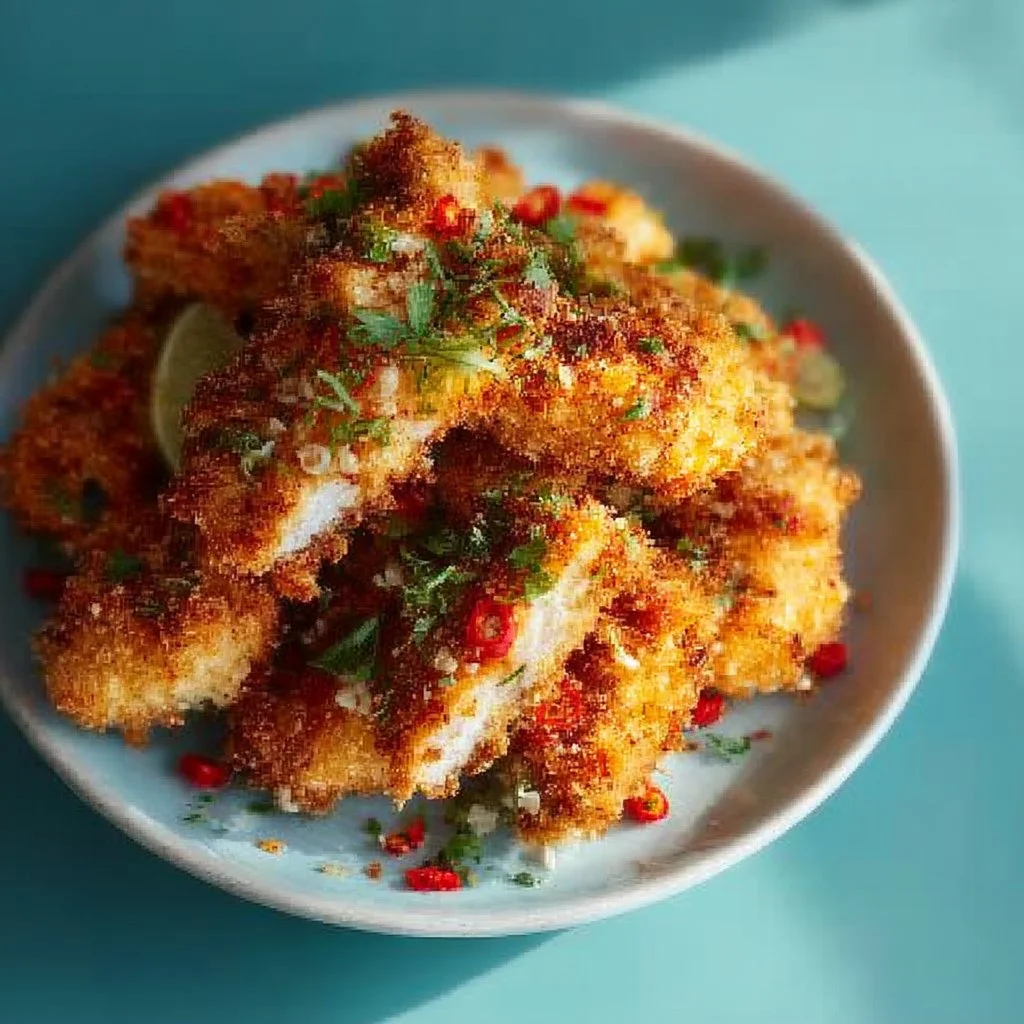
- Turn re-crisped frozen items into a quick snack plate—salt right at the end and eat while they’re hot and crunchy.
- For a fast breakfast-style plate, these hacks make reheated breakfast items or crisped veg feel fresh again; I often pair them with ideas from air fryer breakfast recipes when I’m low on time.
Storage and Reheating
These hacks are mostly about getting the best texture right now, but they also make leftovers reheat better because the food starts out less oily and less steamed.
- Fridge: Cool leftovers, then refrigerate in a container that won’t trap too much moisture.
- Reheat in the air fryer: Reheat in a single layer and check early, pulling once the outside looks crisp again and the center is hot. (If you cram everything in, you’ll re-steam it.)
- Best texture tip: Re-crisp uncovered whenever possible. A brief rest after reheating also helps the exterior feel less soft.
FAQs
Do I need to preheat the air fryer?
Yes—running it empty until hot is one of the biggest texture upgrades here. It helps browning start immediately.
Can I cook in batches?
Absolutely—and you should if the basket gets crowded. Single-layer spacing is what keeps food from turning soft.
How do I keep vegetables from getting soggy?
Dry them well, use only a light mist of oil, and give them space. If you want extra crispness, use the optional cornstarch.
Should I salt before or after?
Salt plain foods before cooking. If the food is coated (including with cornstarch), finish with a pinch of salt after cooking so the coating stays crisp.
What if my food is browning on the outside but not done inside?
Check early, but also make sure pieces are in a single layer and not piled up. Flipping/shaking midway helps the heat hit all sides more evenly.
Recipe Recap
These air fryer cooking hacks are the small, repeatable steps that reliably turn “fine” air-fried food into truly crisp, browned, and satisfying results: preheat, dry the surface, oil lightly, season at the right time, cook in a single layer, and flip or shake midway—then pull when it’s deeply golden and let it rest briefly.
Final Thoughts
Once you get in the habit of preheating and spacing your food properly, the air fryer starts behaving the way you hoped it would from day one—crisp edges, quick cook time, and minimal cleanup. Use this as your mental checklist any time you’re tossing something in the basket.
Conclusion
If you want to go deeper on technique, I’ve found it helpful to compare notes with other cooks—Barry Lewis has a fun, practical roundup of air fryer hacks and tips that lines up with what works in real kitchens. For inspiration on what to actually cook when time is tight, this Lifehacker list of favorite air fryer time-savers is a great skim. And if you prefer listening while you cook, the Air Fryer 101 podcast episode is a solid background refresher on getting better results with less fuss.
Air Fryer Cooking Hacks
Ingredients
Method
- Preheat the air fryer by running it empty until hot.
- Pat proteins and vegetables dry to prevent steaming.
- Apply a light mist of neutral oil for better browning.
- Season with kosher salt and black pepper before cooking if the food is plain.
- For coated foods, finish with a pinch of salt after cooking to maintain crispness.
- Optionally, toss vegetables or tofu in a little cornstarch for extra crispiness.
- If cooking chicken, add a pinch of baking powder for crispier skin.
- Arrange food in a single layer for even cooking.
- Flip or shake the food halfway through cooking for even browning.
- Start checking for doneness early; look for deep golden color.
- Rest food briefly after cooking to maintain crispness.
- Avoid overcrowding in the basket to prevent sogginess.