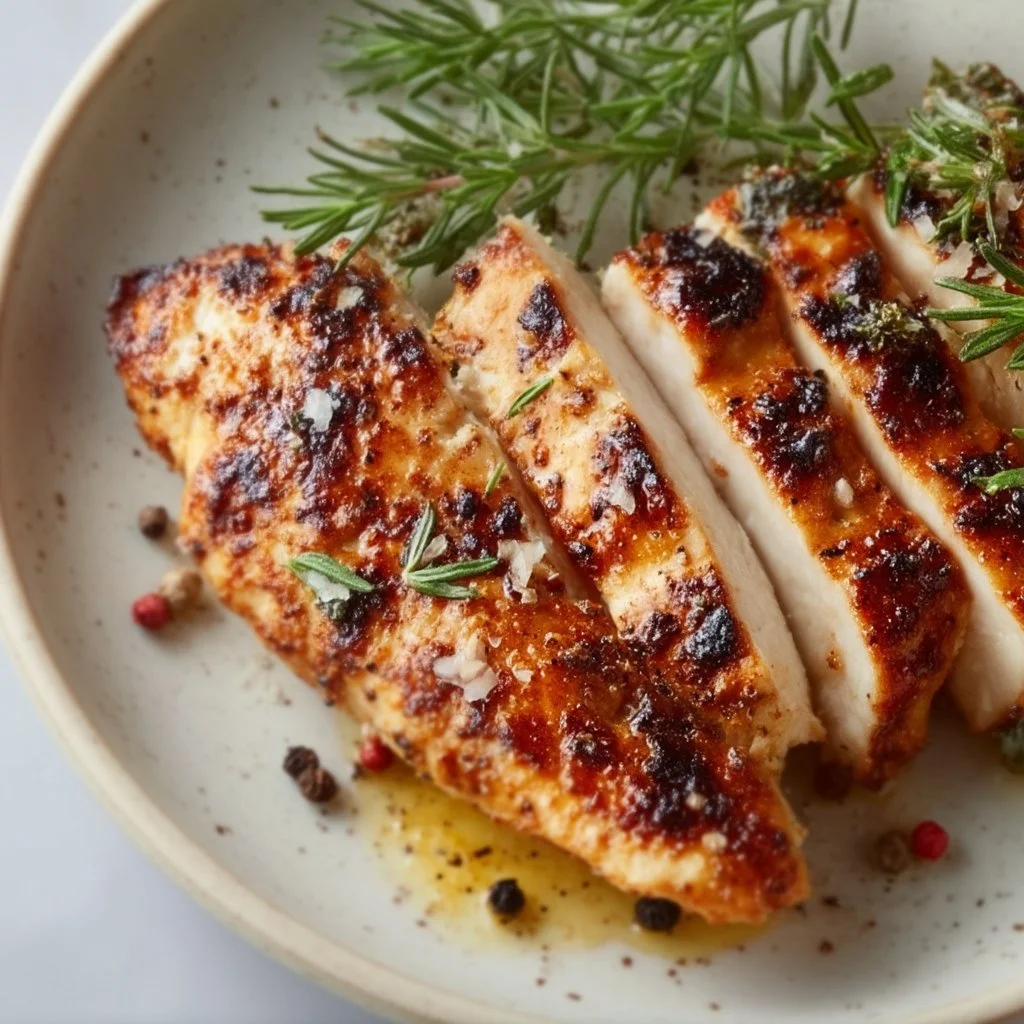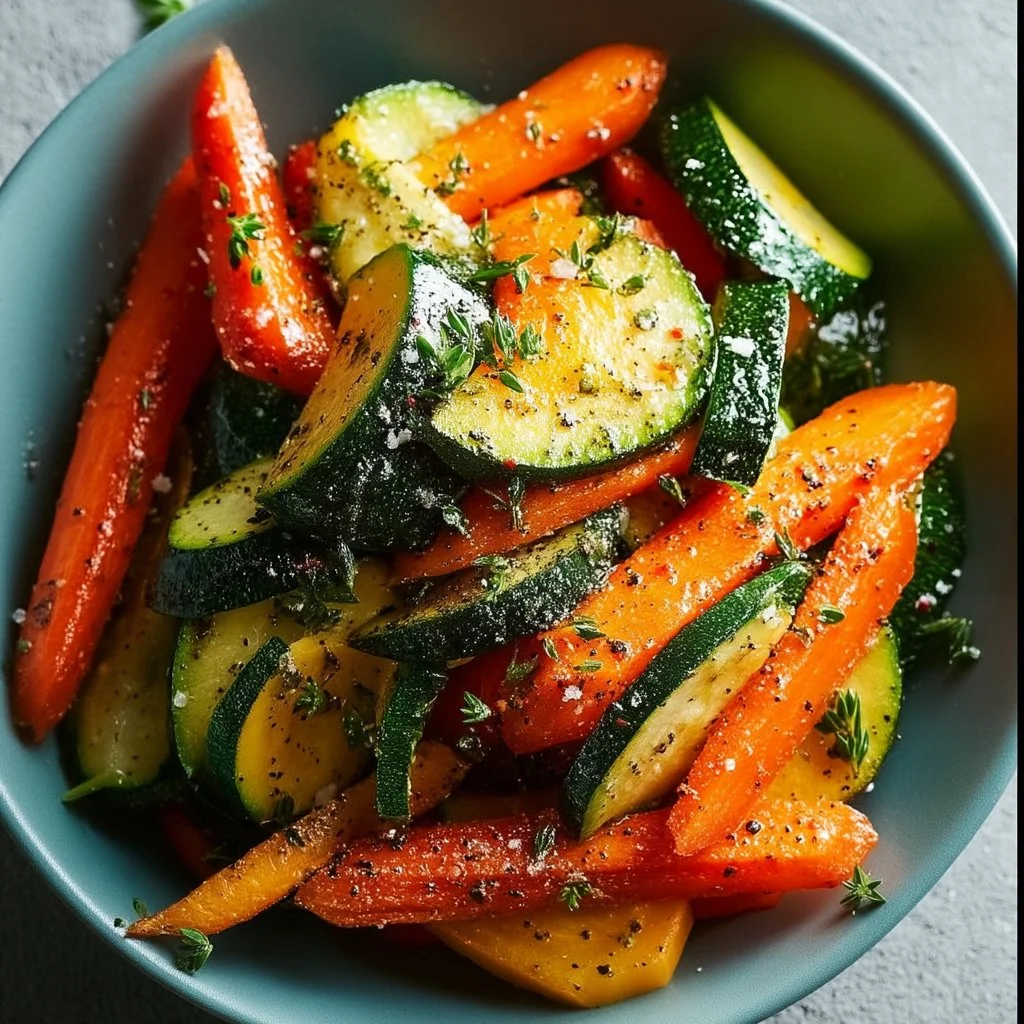
I make this beef jerky when I want a real-deal, savory snack that doesn’t leave crumbs all over the counter. The marinade is bold (soy + Worcestershire), a little smoky (paprika), and just sweet enough (brown sugar) to balance the salt—so the finished strips taste seasoned all the way through, not just on the surface.
Even though this batch uses a dehydrator for the actual drying, I’m writing it with my air-fryer brain: thin, even slices; smart spacing; and that “dry but still slightly pliable” finish that keeps jerky from turning into brittle shards. If you’re on a beef kick lately, this is a perfect make-ahead to pair with weeknight favorites like one-pan air fryer beef and broccoli.
Why This Air Fryer Recipe Works
- Thin 1/8-inch slicing dries predictably so you don’t end up with a mix of leathery thick pieces and over-dry skinny ones.
- Soy sauce + Worcestershire brings deep savory flavor that holds up even after hours of drying (jerky concentrates everything).
- Smoked paprika earns its keep—you get that barbecue-adjacent aroma without needing extra ingredients.
- Brown sugar rounds the edges so the garlic/onion powders taste “toasted” instead of sharp.
- A quick pat-dry before drying is the difference between efficient dehydration and sticky, slower-drying strips.
- You control the final texture: pull it when it’s dry but still slightly bendy for the best chew.
The Story Behind This Recipe
When I’m already meal-prepping a couple beef dinners (like air fryer potatoes and beef sausage), I’ll often slice extra beef and marinate it for jerky at the same time—same “set it up now, thank yourself later” energy, and it turns a basic cut like flank or sirloin into a snack that disappears fast.
What It Tastes Like
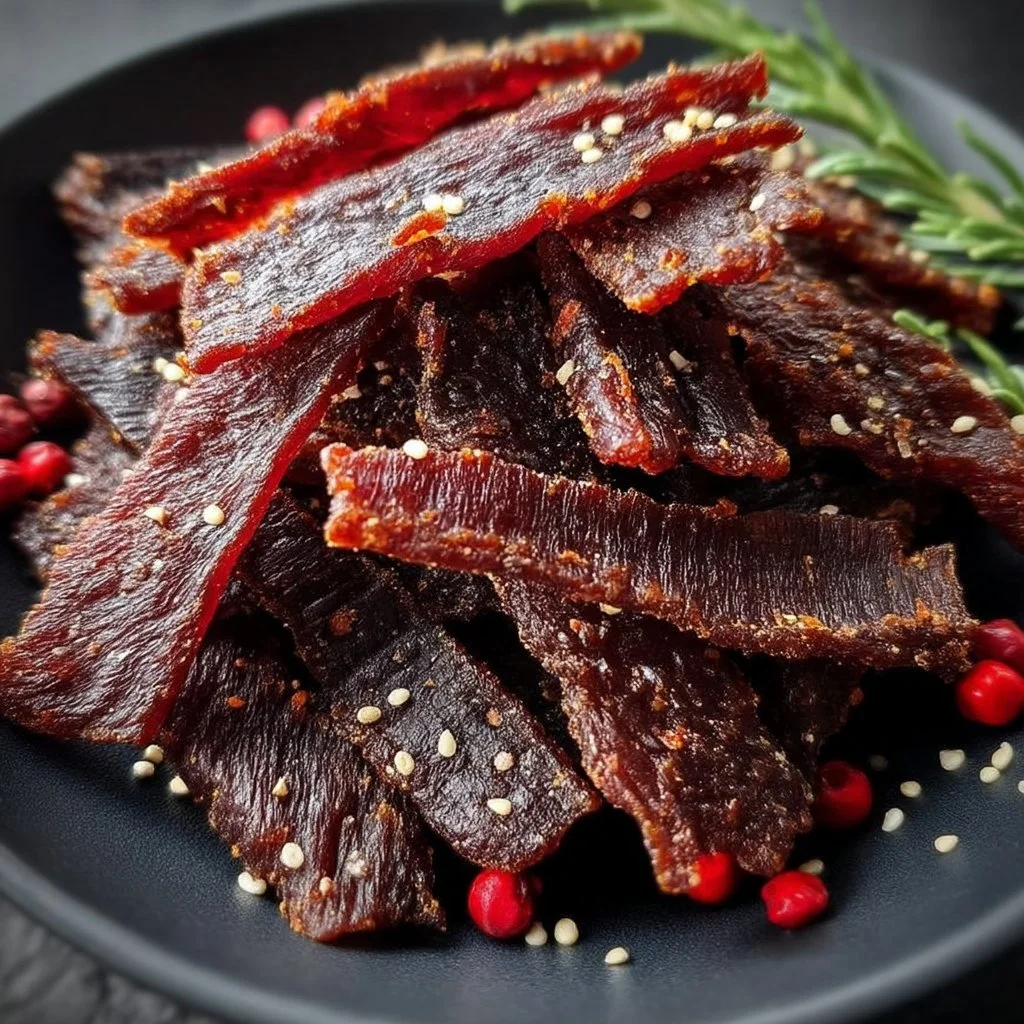
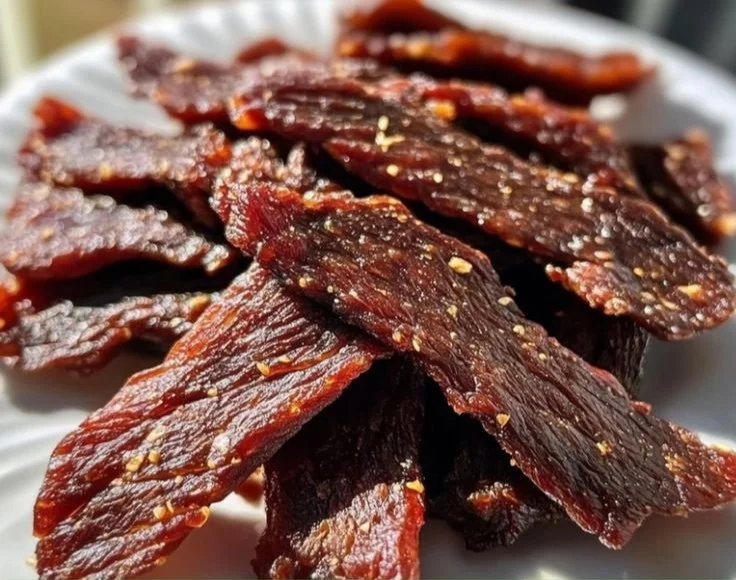
This jerky hits with a salty-savory punch first, then a gentle smokiness from the paprika, and a warm, garlicky finish. Texture-wise, you’re aiming for strips that look dry on the surface and feel firm, but still bend before they tear—chewy, not brittle. If you add the cayenne, the heat shows up after a couple chews and plays really nicely with the Worcestershire tang.
Ingredients You’ll Need
The key here is lean beef (flank steak or sirloin works great) sliced thin so it dries evenly, plus a high-flavor marinade that doesn’t require extra steps. Soy sauce and Worcestershire do most of the heavy lifting, while smoked paprika, garlic, and onion powders build that classic jerky profile. Cayenne is optional, but it’s an easy way to make the batch feel a little bolder without changing anything else.
- 2 pounds beef (such as flank steak or sirloin)
- 1/4 cup soy sauce
- 1/4 cup Worcestershire sauce
- 1 tablespoon smoked paprika
- 1 tablespoon garlic powder
- 1 tablespoon onion powder
- 1 teaspoon black pepper
- 1 teaspoon cayenne pepper (optional for heat)
- 1 tablespoon brown sugar
How to Make Beef Jerky
- Slice the beef thin. Cut the beef into strips about 1/8 inch thick. Try to keep the thickness consistent so everything dries at the same pace.
- Mix the marinade. In a bowl, stir together the soy sauce, Worcestershire, smoked paprika, garlic powder, onion powder, black pepper, cayenne (if using), and brown sugar until the sugar is dissolved and the spices are evenly distributed.
- Marinate the beef. Add the beef strips and toss well so every piece is coated. Cover and refrigerate for at least 4 hours (overnight gives the most even flavor).
- Preheat your dehydrator. Set it to 160°F (70°C).
- Pat the strips dry. Remove beef from the marinade and blot with paper towels. You’re not rinsing anything off—just removing excess surface liquid so the jerky dries instead of staying tacky.
- Arrange in a single layer. Lay strips in the dehydrator so they’re not overlapping. Air needs room to circulate around each piece.
- Dehydrate until chewy-dry. Dry for 4–6 hours, checking as you approach the 4-hour mark. You’re looking for jerky that’s dry to the touch and still slightly pliable when you bend it. If it snaps cleanly, it’s gone a bit too far.
- Cool completely before storing. Let the jerky cool all the way (it will feel a little firmer as it cools), then store in an airtight container.
Air Fryer Tips for Best Results
- Think “single layer” like you would in an air fryer basket. If strips overlap, you’ll get uneven drying—some pieces stay soft while edges over-dry.
- Slice across the grain for a more tender chew. You’ll still get that jerky pull, but it won’t feel like you’re fighting each bite.
- Don’t skip the pat-dry step. Excess marinade slows dehydration and can leave a sticky exterior instead of a clean, dry finish.
- Start checking early rather than trusting the clock. Thickness varies, and a few minutes can be the difference between chewy and brittle.
- Cool before judging final texture. Warm jerky can feel softer than it will once it’s fully cooled.
Variations and Add-Ons
- Spicier: Use the cayenne, or increase it slightly if you know you like heat (it concentrates as it dries).
- More smoke-forward: Lean into the smoked paprika by adding a bit more—just keep it balanced so it doesn’t overpower the soy/Worcestershire base.
- Black-pepper heavy: Add a touch more black pepper for a sharper, steakhouse-style bite.
If you want more beef snack ideas beyond jerky, browse my air fryer beef & seafood recipes for quick, savory options.
Serving Ideas
- Pack it as a grab-and-go snack with something crunchy and fresh (like sliced cucumbers).
- Chop it into small pieces for a savory topping over a simple bowl-style lunch.
- Serve alongside an easy dinner like Mediterranean ground beef pita pockets when you want something salty to nibble while the rest hits the table.
- Add it to a game-night spread next to something fun like air fryer beef pepperoni pizza pockets.
Storage and Reheating
Store fully cooled jerky in an airtight container. The biggest tip is simple: don’t seal it up while it’s even slightly warm, or trapped moisture can soften the texture.
Jerky doesn’t reheat like a “crisp it back up” food—in general, you’re eating it as-is. If it softens a bit in storage, leaving the container open briefly can help it feel drier again (as long as your environment is clean and dry).
FAQs
Why does the recipe say “dry but still slightly pliable”?
That’s the sweet spot for chew. When you bend a strip, it should flex and start to tear rather than snap like a cracker.
Can I marinate longer than 4 hours?
Yes—overnight is ideal here. The flavor penetrates more evenly, especially with thicker strips.
Do I really need to pat the meat dry after marinating?
Yes. It helps the jerky dry more efficiently and prevents a sticky exterior.
How do I keep pieces from drying unevenly?
Slice consistently (about 1/8 inch) and lay the strips in a true single layer without overlap.
What cut of beef works best?
Flank steak and sirloin both work well. The main thing is slicing thin and evenly.
Recipe Recap
This beef jerky is a straightforward, high-flavor batch made with flank or sirloin and a savory soy-Worcestershire marinade boosted by smoked paprika, garlic, onion, and black pepper (plus optional cayenne). Dry it until it’s firm and dry but still slightly bendy, and you’ll get that satisfying, seasoned chew that makes homemade jerky worth the prep.
Final Thoughts
If you can slice beef thin and give it time to marinate, you can make excellent jerky at home—no mystery steps, just good seasoning and patience while it dries. Make one batch, take notes on your preferred chew, and you’ll have it dialed in for next time.
Conclusion
If you’re curious how homemade compares to store-bought, it’s fun to taste side-by-side with classics like popular beef jerky snacks or a craft-style option such as small-batch jerky varieties. And if you want to go deeper on the style and history of jerky itself, a quick overview of jerky gives helpful context for why that “dry but pliable” texture matters.
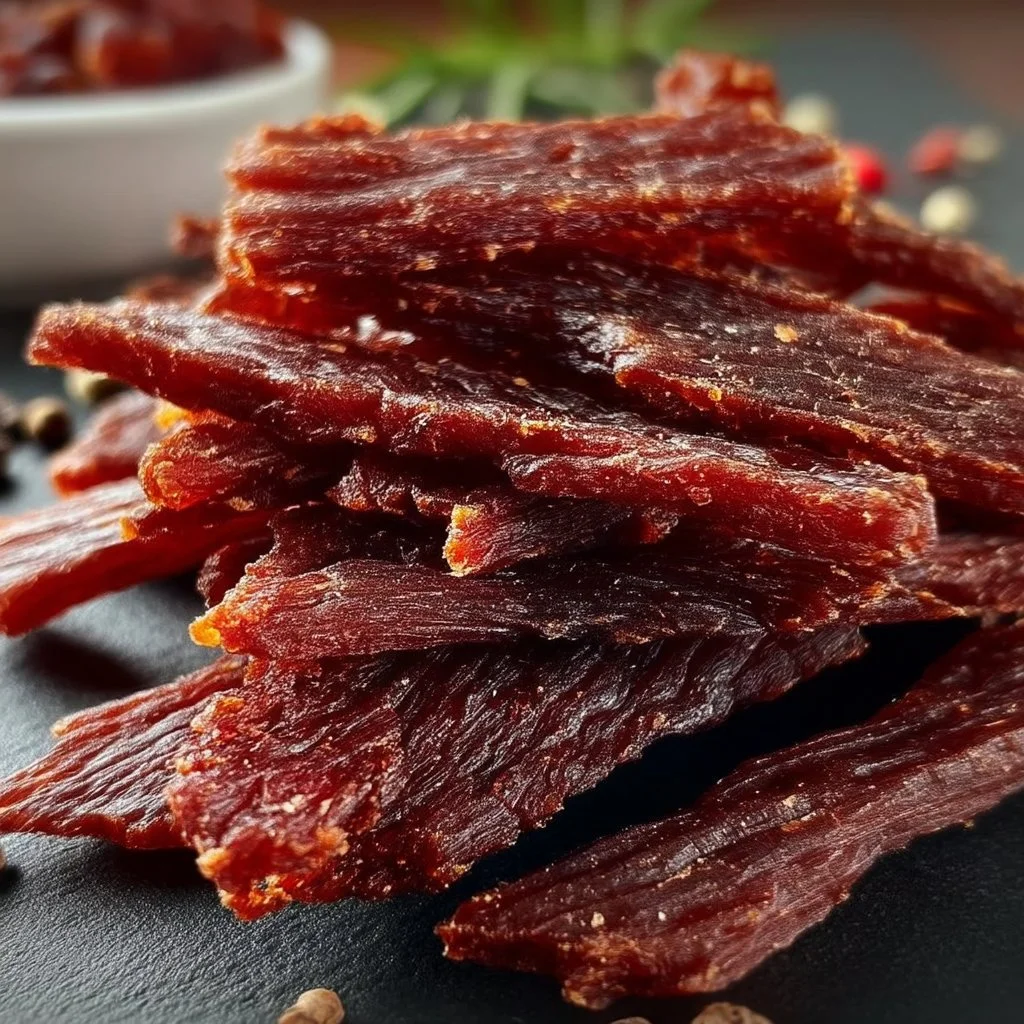
Beef Jerky
Ingredients
Method
- Slice the beef thin into strips about 1/8 inch thick.
- In a bowl, stir together the soy sauce, Worcestershire sauce, smoked paprika, garlic powder, onion powder, black pepper, cayenne (if using), and brown sugar until the sugar is dissolved and well mixed.
- Add the beef strips to the marinade, ensuring each piece is well coated. Cover and refrigerate for at least 4 hours or overnight.
- Remove beef from the marinade and blot with paper towels to remove excess liquid.
- Preheat your dehydrator to 160°F (70°C).
- Arrange the beef strips in a single layer in the dehydrator, ensuring they do not overlap.
- Dehydrate for 4 to 6 hours, checking for desired texture. The jerky should feel dry to the touch but still slightly pliable when bent.
- Let the jerky cool completely before storing it in an airtight container.